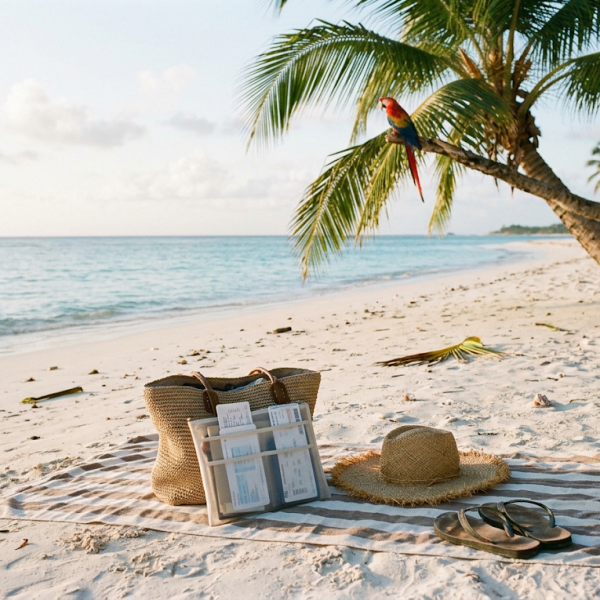
A beach holiday abroad sounds simple. You pick a sunny shore, pack a hat and a book, and let the waves do the rest. Yet the best trips are the ones where small details have been handled in advance, from sunscreen to passports to the menu at a family restaurant where nobody speaks your language. Travellers who prepare a little tend to relax more and waste less time at counters and ticket offices. A good packing list covers more than swimwear, because the right documents, a few useful phrases and a basic translation plan can save an entire day of your holiday. This guide shares practical advice for planning a stress free seaside trip in a country where you do not speak the local language.
The Classic Beach Packing List
Start with the essentials that every beach lover knows. Pack lightweight clothes, two swimsuits so that one can dry, a wide brimmed hat, polarised sunglasses and reef safe sunscreen with a high protection factor. A quick dry towel, a reusable water bottle and a small dry bag protect your belongings near the water. Add flip flops for the sand and sturdier sandals for rocky coves and old town streets. A light cover up is useful for visiting shops, churches and cafes, which often expect shoulders and knees to be covered even in hot weather.
Documents You Should Not Forget
Beyond clothes, keep a slim folder with your passport, visas, travel insurance, booking confirmations, vaccination records and the details of your emergency contacts. Check the entry rules of your destination well in advance, since requirements change and may depend on your nationality. The official UK foreign travel advice pages are a useful example of how governments publish current guidance on entry, health and safety. Scan every document and save the copies in a secure cloud folder and on your phone, so that a lost bag does not turn into a lost holiday.
Why Translation Belongs on the List
Some papers may need an official translation, particularly if you travel with children, rent a car or a boat, or take regular medication. A letter from your doctor describing prescriptions, a signed consent from the other parent for a minor and a translated driving licence can prevent awkward conversations at borders and rental desks. If you are heading to a Portuguese speaking destination, a specialist offering english to brazilian portuguese translation can prepare clear versions of these papers in advance, so that you are not searching for help while the taxi waits. Always carry both the original and the translation.
Handy Phrases That Go a Long Way
You do not need fluent speech to enjoy a seaside town, but a handful of polite phrases changes how locals respond. Learn greetings, thank you, please, excuse me, how much is this, and where is the nearest pharmacy. Practise numbers up to one hundred, since prices are often said aloud at markets and beach kiosks. Write a few phrases about allergies and dietary needs on a card and keep it with your wallet. People appreciate effort, and even a clumsy attempt will often be met with patience and a friendly smile, followed by help in whichever language you share.
Using Apps Wisely
Translation apps are excellent companions for menus, signs and bus timetables. Download the offline language pack before you leave, because mobile data can be expensive or unreliable at remote beaches. Use the camera function for printed text, but remember that machines can misread handwriting and local dishes. For anything important, such as a medical question, a legal document or a rental contract, rely on a human translator. The same is true for visa paperwork, where the exact wording matters, as explained in this guide to translation requirements for a UK visa, which shows how strict some authorities can be.
Respecting Local Customs on the Coast
Every shoreline has its own unwritten rules. Some beaches reserve areas for fishermen, others forbid glass bottles, and many protect nesting birds or turtles with signs and ropes. Read notices carefully, ask your hotel if a sign is unclear, and keep a respectful distance from wildlife. Do not feed the parrots, gulls or monkeys, since human food harms them and makes them aggressive. Take your rubbish with you, avoid picking up shells in protected areas and choose local guides who know the ecosystem. Responsible visitors keep the coast beautiful for the next traveller.
Eating and Shopping Like a Local
Small seaside restaurants often serve the freshest fish and the best regional dishes, but their menus may exist only in the local language. Ask for the dish of the day, point to what other guests are eating and learn the words for common ingredients. At markets, bargaining may be normal, but always do it with a smile and know the local currency before you start. Keep small notes and coins for kiosks, and check whether tipping is expected. A relaxed attitude and a few kind words will open more doors than any guidebook.
Coming Home With the Right Memories
At the end of the trip, keep tickets, receipts and photographs in one folder, and write a few notes about places you loved, including their names in the local spelling. These notes will help you find them again or recommend them to friends. A holiday is about rest and discovery, and a little planning for documents and language makes both easier. Pack well, translate what matters, learn a few phrases and let the sound of the sea carry you through your next coastal escape.