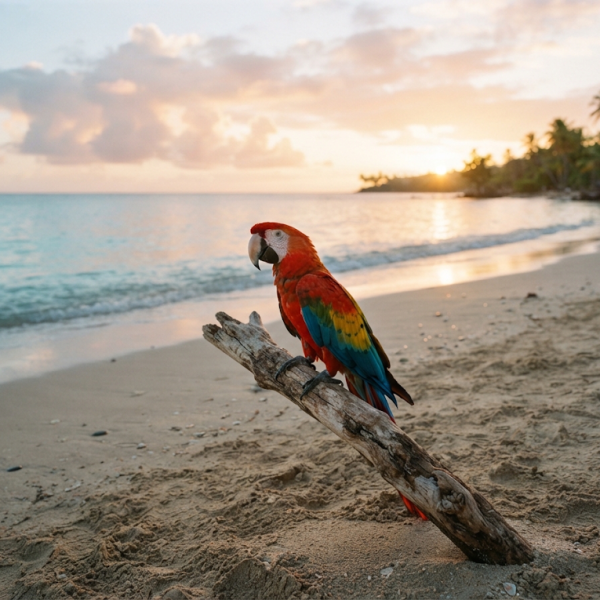
Few things make a coastal holiday as rewarding as watching wild birds at dawn. Herons stalk the shallows, terns dive into the surf and, in warmer regions, brightly coloured parrots and kingfishers flash between the palms. The best spotting often happens in small towns far from the main resorts, where menus, signs and conversations are in the local language. A few words of the local language, and a clear understanding of the rules written on notices, can turn an ordinary beach trip into a much richer wildlife experience. This guide covers how to plan a bird-focused seaside break, and how to handle the language side of travel.
Choosing the Right Coast
Different shorelines offer different species. Estuaries and lagoons attract waders and ducks, rocky headlands suit seabirds, and mangrove edges are home to kingfishers and herons. Research the season before you book, because migration changes the picture completely. Spring and autumn bring the largest variety, while summer is often better for nesting colonies. Local nature reserves publish seasonal lists, and international groups such as BirdLife International map important bird areas around the world.
Timing Your Days
Birds are most active in the first two hours after sunrise and again in the late afternoon. Plan quiet mornings on the shore and keep the hot middle of the day for rest, swimming or lunch. Tide tables matter, since many waders feed on exposed mud at low tide and gather in tight flocks at high tide. Check the times on the day before and write them in your notes, so that you arrive at the right place with the light behind you.
What to Pack
A small pair of binoculars, a light hat, sun cream, a refillable bottle and a notebook are enough for most trips. Neutral colours help you blend in, and a lightweight waterproof layer protects against sudden showers. A pocket field guide or an app that works offline is very useful, since signal can be weak on remote beaches. Keep your camera strap short, protect electronics from sand and salt, and carry a small cloth for the lens.
Respecting Wildlife and Local Rules
Many coastlines have protected zones, nesting seasons and restricted paths. Signs often appear only in the local language, and ignoring them can lead to fines or damage to fragile habitats. Keep a respectful distance, never feed birds and avoid flash photography near nests. If you are unsure whether an area is open, ask at a visitor centre or a local guesthouse. Guides know which beaches are quiet, which are protected and where you can walk without disturbing the animals.
Language Help on the Turkish Coast
Turkey's long coastline offers excellent spots for migrating birds, from river deltas to lagoons and quiet bays. Travellers who arrive prepared find it easier to book boat trips, understand park rules and talk to local guides. For visitors who plan a longer stay, or who need to deal with rental contracts, permits or travel documents, a specialist in turkish to english translation services can provide accurate versions of the papers that matter. A short list of polite phrases, such as greetings, thanks and simple questions about times and prices, also goes a long way.
Documents You May Need Abroad
Some trips involve more paperwork than a simple beach break. Long stays, volunteering at a wildlife project or renting a property may require identity papers, insurance records or letters of invitation in another language. If you are planning to visit or stay in the United Kingdom as part of a longer journey, this guide to translation for a UK visa explains which documents usually need a certified translation and how to prepare them.
Safety on the Shore
Watching birds often means standing still near water, so check the weather, wave conditions and tide before you go. Tell someone where you will be, carry water and avoid walking on slippery rocks or soft mud. Learn the words for danger, closed and no entry in the local language, as these may be the only warning you see. In remote areas, keep emergency numbers saved and know the nearest place with a signal.
Meeting Local People
The most memorable tips often come from fishermen, boat owners and café staff who see the same birds every day. A friendly greeting in their own language opens conversations, and many people are proud to share their knowledge. Offer to buy a coffee, listen to stories and take notes. Photograph the landscape and the birds, but ask before you take pictures of people.
Keeping a Travel Journal
Write down species, locations, times and weather at the end of each day. Add a few new words you learned, the names of places and small details about the people you met. Over time, your notes become a personal guide for future trips, and you will notice patterns that help you plan the next visit. A trip that combines wildlife, local culture and a little language practice is one that you will remember long after the sand has been shaken from your shoes.