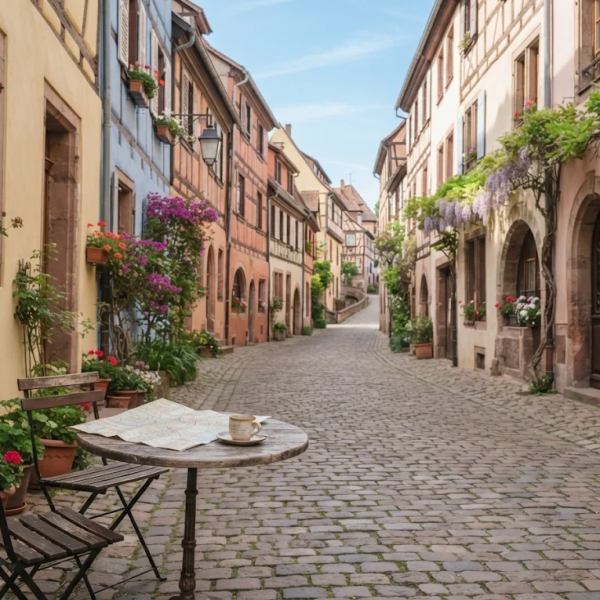
Estonia is famous for medieval streets, forests, islands and a very digital way of life, and each year it attracts visitors who like quiet places. Many travellers find that a few words of the local language open doors, and hotels, guesthouses and tour guides often share leaflets in several languages. Estonian translation for travellers and hotels works best when the text is short, the names of places are consistent and a native speaker checks every sign and menu. This article gives practical tips for visitors and for businesses that welcome them.
Learn a few polite phrases
Greetings and thanks are easy to learn, and locals notice the effort. Estonian is spelled quite close to how it sounds, so reading a phrase aloud usually works well, even for a beginner.
Mind the special letters
Estonian uses letters such as the ones with two dots above them. They stand for distinct sounds, so signs, tickets and booking pages must display them correctly. Broken characters look careless to local readers.
Translate menus and signs with care
Local dishes, drinks and customs often need a short note in English. A provider of estonian translation services can help a hotel or guesthouse prepare clear guest information that reads naturally in both languages.
Keep place names consistent
Towns, islands and streets have local names that visitors see on maps and signs. Choose one form for each place, and use it in every leaflet, booking page and email. A short list saves time and avoids confusion.
Plan for the season
Summer and winter bring different needs, from ferry times to opening hours. Our article on English to Romanian translation shows how a simple review step helps teams update seasonal text without mistakes.
Terminology research
When a term has no clear match, a good translator researches official sources, standards and earlier documents of the same field. For travellers and hotels in Estonia, this research prevents guesses that could confuse a reader.
Proofreading before publication
Read the final text once more in its real layout, on a screen or on paper. Typing errors, broken characters and missing lines are easier to see in the finished page than in a plain file.
Testing with real readers
Ask two or three native readers to go through the text and note anything that sounds odd. Small wording changes often solve problems that no spell check can find in travellers and hotels in Estonia.
Updating texts over time
Texts for travellers and hotels in Estonia change. Mark new and changed lines, send only those to the translator and keep a log of versions with dates, so that readers always find current information.
Certification when it is required
Some offices want a signed statement from the translator, a notary or an apostille. Ask the receiving party what it accepts before you order, and request the certificate together with the translation.
Working with images and graphics
Text inside images cannot be changed by a plugin. Send editable files, translate labels and captions together with the main text and check that fonts show every German special character correctly.
Keeping a consistent brand voice
Write a short voice guide with examples of friendly, formal and technical sentences. It helps translators match the tone of your brand across all texts for travellers and hotels in Estonia.
Handling abbreviations
Abbreviations differ between English and German. Keep a list of those you use, spell them out on first use and agree whether the English form stays, so that readers are never left guessing.
Budgeting for several languages
If German is only the first of several languages, plan the process once. A shared glossary, a clear file structure and one coordinator keep costs and delays under control as you add markets for travellers and hotels in Estonia.
Feedback after delivery
Send edited versions back to the translator after publication. Short comments on style and terms help the team improve, and the glossary for travellers and hotels in Estonia grows with every approved text.
Planning time and cost
Plan translation early and ask for one quote that covers translation, review and delivery. A shared glossary lowers cost over time, because earlier terms and sentences can be reused in every new text for travellers and hotels in Estonia.
Common mistakes to avoid
Typical problems include mixed spellings, untranslated labels, wrong dates and old figures left in updated files. A short checklist and one person responsible for approvals prevent most of these problems in travellers and hotels in Estonia.
Choosing a translation partner
Look for experience with travellers and hotels in Estonia, clear confidentiality terms and a named contact. Ask for a short sample and compare how each provider handles glossaries, questions and corrections.
Working with your provider
Share the purpose of each text, the audience and the deadline with every order. Answer questions quickly and approve key terms early, because a short call at the start often saves several rounds of corrections.
Where to read more
For background on the language, see the Wikipedia article on the Estonian language, which covers its history and grammar.